Nearly three decades after its formation, Edenbridge continues to refine the sound that helped establish symphonic metal as an enduring force within European heavy music. The Austrian group is preparing to release its twelfth studio album, Set the Dark on Fire, a record that preserves its melodic and orchestral identity while pushing toward a denser, more aggressive guitar-driven approach. Founder, songwriter and multi-instrumentalist Lanvall says the new material grew from an increased use of seven-string guitar parts and low-register bass textures. The result, he believes, expands the band’s sonic range without abandoning the elements longtime listeners associate with Edenbridge.

The album arrives at a period when symphonic metal remains both crowded and stylistically diverse. Since the late 1990s, the genre has evolved from a relatively niche blend of power metal, gothic atmospheres and classical arrangements into a global touring and streaming presence. Edenbridge emerged during that formative era, alongside bands that helped normalize operatic vocals, orchestral keyboards and cinematic songwriting in metal. Lanvall and vocalist Sabine Edelsbacher have remained at the center of the project throughout that evolution, navigating changing industry expectations while maintaining a recognizable artistic partnership.

Set the Dark on Fire leans into weightier riff construction, but the band has not treated heaviness as a replacement for orchestration. Lanvall describes arrangement as the central challenge in balancing those two sides of the music. A prominent guitar figure can lose impact if strings and keyboards overwhelm it, he argues, while symphonic flourishes need moments of space to achieve their full emotional effect. That attention to dynamics reflects a broader trend among veteran symphonic metal acts, many of which have sought more pronounced contrasts between metallic force and cinematic color.
Edenbridge has also built part of its identity around instruments that lie beyond standard rock and metal production. Lanvall has collected and, in some cases, constructed unusual acoustic instruments during his travels, incorporating their natural textures into the group’s recordings. He points to the hammered dulcimer as one of the more challenging additions, noting its chromatic layout and distinctive overtone qualities. For the musician, authentic performances offer a depth that sampled sounds often cannot reproduce, though he stresses that such instruments must serve the composition rather than function as decorative novelties.

The record’s closing sequence, collectively known as “Spark of the Everflame,” illustrates Edenbridge’s continued interest in long-form composition. Originally conceived as a single extended work, the piece has been divided into four sections for streaming platforms, where shorter tracks may prove more accessible to listeners. Physical editions, however, preserve the uninterrupted presentation. The decision highlights a tension felt across the music business: artists continue to write ambitious, expansive material, yet digital consumption habits increasingly reward immediate hooks and concise running times.

Lanvall says the extended composition developed gradually, with one unfinished section sitting aside for months before an orchestral passage provided the missing connection. Such patient construction has long been part of progressive and symphonic metal, genres that often rely on recurring motifs, changing arrangements and shifting emotional perspectives. The songwriter sees those possibilities as one of the rewards of building larger pieces. Rather than treating a song as a straight path from verse to chorus, he can revisit themes, transform them and lead the listener through a more elaborate musical narrative.

The new release also marks Edenbridge’s return to Steamhammer, the SPV imprint that worked with the band between 2013 and 2021. The change followed the decision by AFM Records’ parent company not to continue releasing new physical albums, leaving dozens of acts looking for new homes during an active production cycle. Lanvall says Steamhammer responded quickly after he reached out, and the band ultimately chose to reunite with a label it knew well. The episode reflects the continued uncertainty facing independent metal artists, who must balance recording costs, physical distribution and promotional reach in a rapidly shifting marketplace.
Production remains closely tied to Lanvall’s artistic vision, even as he relies on longtime collaborator Karl Groom in England to help translate that vision into a finished mix. Lanvall writes with Edelsbacher’s voice in mind and considers the vocal performance the defining element of Edenbridge’s music. The pair’s working relationship predates the band itself, and both cite the creative process as the reason they continue after years of industry changes, touring pressures and financial challenges. Edelsbacher says the constant movement between writing, recording, promotional work and live performances has kept the project energetic rather than routine.
Fans have become increasingly important to that sustainability. Edenbridge has used crowdfunding to support recording and production, offering supporters items and experiences ranging from handwritten lyrics to special dinner events and executive producer packages. The model has become common across independent music, particularly among established acts with committed international audiences but limited access to major-label budgets. Lanvall and Edelsbacher view the approach as more than a financial transaction, describing it as a closer relationship between the musicians and the people helping bring each release to life.
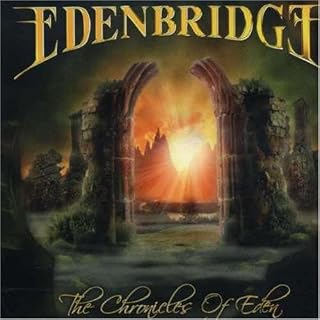
Looking back, Lanvall identifies 2008’s MyEarthDream as a major turning point because it brought Edenbridge into the studio with a full orchestra in Prague and introduced seven-string guitars into the band’s sound. Yet the group still recognizes the emotional connection listeners have with early releases, especially the 2000 debut Sunrise in Eden. An anniversary tour gave the band an opportunity to revisit material from across its catalog, reminding its members that songs often become markers of a fan’s own past. With European dates planned for February and March, along with hopes for concerts in Japan, China and eventually North America, Edenbridge enters its next chapter with its foundations firmly intact.
📰 Related Articles
- Edenbridge Returns with 12th Album, 'Set The Dark On Fire
- Edenbridge's 'Set The Dark On Fire' Redefines Symphonic Metal
- Wine Sound Project Harmonizes Viticulture and Music in Abruzzo
- Warfield Trio Evolves Thrash Metal Sound, Plans Extensive Tours
- War Curse Redefines Metal Sound with 'Confession' Album Evolution