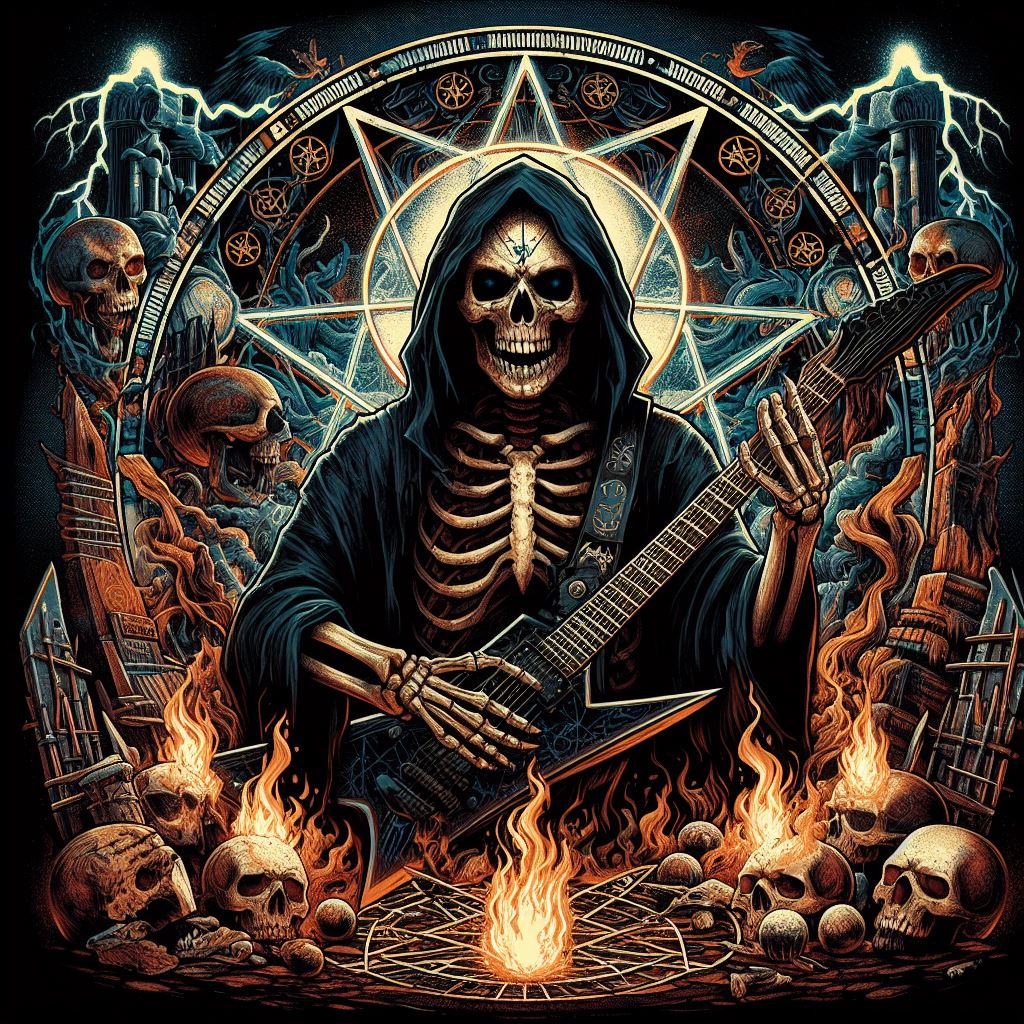
At the peak of the thrash movement in 1989, The Mist emerged with their debut album, Phantasmagoria, offering a unique perspective on space and the human psyche through their music. Led by vocalist Vladimir Korg, the Brazilian band’s underground sound stood out amidst their peers. Despite facing challenges like lineup changes and the struggles of being a Brazilian metal band, Greyhaze Records has reissued the album almost thirty years later, reintroducing it to the metal world.

Reflecting on the Brazilian metal scene, Korg dispels the overshadowing myth of Sepultura, highlighting the camaraderie and competition among bands in the ’80s. He acknowledges bands like Krisiun, Nervosa, Eminence, and Nervochaos as true representatives of Brazilian metal, emphasizing the passion and dedication of these groups.

When discussing record label options, Korg mentions the significance of Cogumelo and other labels in supporting the metal scene. Despite the challenges of sustaining a label in the modern music industry, their partnership with Cogumelo was a vital platform for The Mist’s music.

Having been actively involved in the music business, Korg’s signing with a label was a natural progression. Celebrating the release of an album on vinyl was always a significant moment, reaffirming the band’s relevance beyond Brazil’s borders.

Addressing the balance between Chakal and The Mist, Korg clarifies that he focused solely on The Mist after founding it with members of Mayhem. Transitioning between bands was a creative challenge, but Korg believed in the distinctive identity they crafted with The Mist.

While recording Phantasmagoria at J.G. Studios, Korg recalls the rushed yet successful sessions that captured the essence of the band’s music. Unlike their peers, The Mist delved into unconventional lyrical themes, emphasizing the importance of poetic expression and personal authenticity in their music.

Despite high expectations, Phantasmagoria didn’t achieve the anticipated success, a result of various factors including the band’s hesitancy to fully commit. Korg reflects on the era when records were released without strategic promotion, contrasting it with Sepultura’s relentless work ethic.
Following The Hangman Tree album, Korg’s departure from the band stemmed from a sense of disconnection and a desire to explore new avenues. The challenging landscape of the ’90s metal scene prompted Korg to reassess his musical journey and seek personal growth.
Excited about the renewed interest in classic thrash, Korg expresses satisfaction in seeing Phantasmagoria receive the recognition it deserves, hoping to introduce more listeners to the Brazilian metal legacy.
Currently involved in The Unabomber Files project with members from Sepultura and Eminence, Korg remains active in the music scene, working on new material and embracing the evolution of his musical endeavors.
📰 Related Articles
- Manilla Road’s Timeless Metal Legacy Revived Through Reissued Albums
- Zion’z: Brazilian Reggae Metal Band Defies Music Genre Boundaries
- Yoth Iria’s Debut EP Honors Black Metal Legacy
- Unveiling the Legacy of Hair Metal: A Decade Defined
- Twilight Aura’s ‘Believe’ Album Revives Brazilian Power Metal Glory