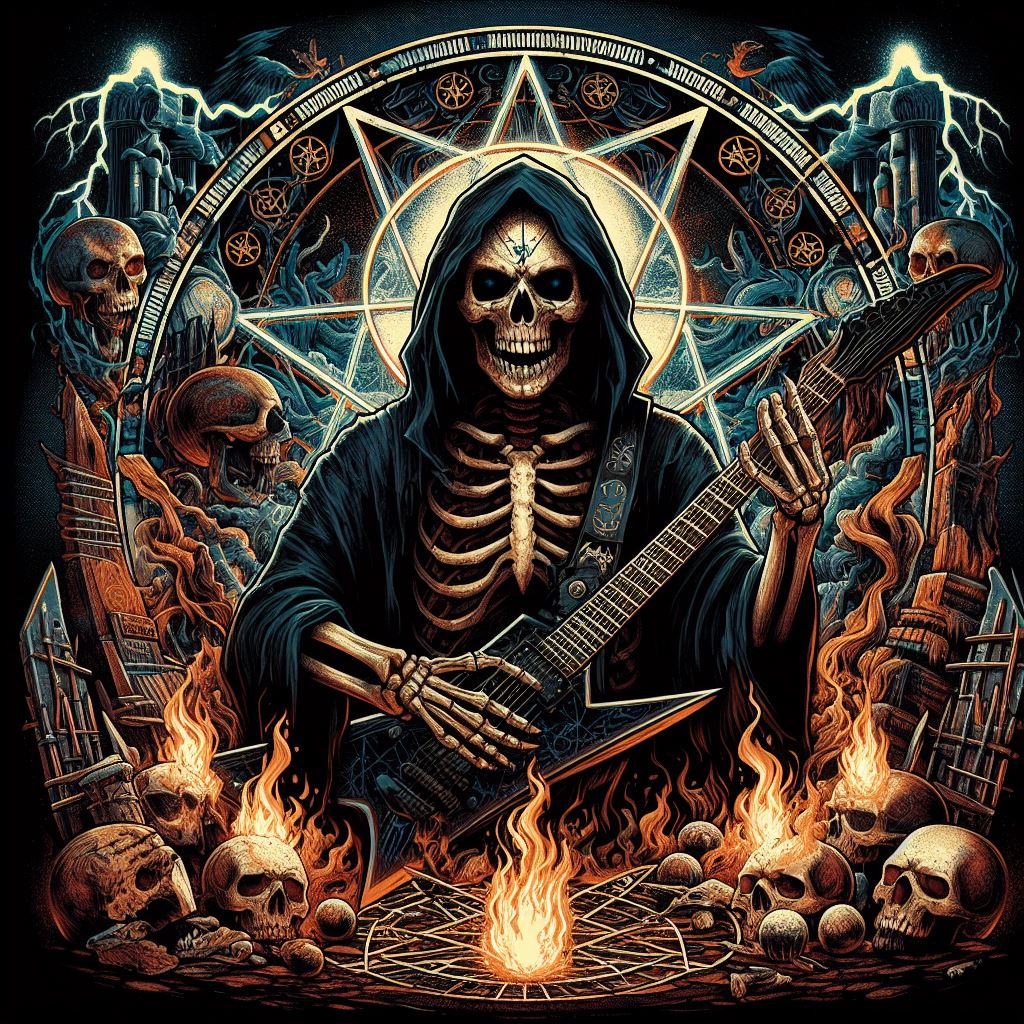
Hibria, the Brazilian metal band known for their traditional power metal style, burst into the scene with their debut album “Defying the Rules” in 2004. Drawing influences from iconic bands like Judas Priest and Iron Maiden, Hibria carved out their unique sound. Their musical evolution continued with their second album “Skull Collectors,” showcasing their musical prowess and intricate compositions.

Having gained a global following, Hibria’s reach extended beyond South America, as they headlined in the Far East and set their sights on North America. Their commitment to innovation is evident in their incorporation of horns on select tracks, adding a fresh dimension to their music while staying true to their metal roots.

Drummer Eduardo Baldo, reflecting on his early music influences, shared how his journey into heavy metal began at a young age. Joining Hibria in 2005, Eduardo’s seamless integration into the band was facilitated by his prior professional relationship with the members. The camaraderie and shared musical vision laid a strong foundation for their collaboration.

With the release of their self-titled fifth album, Hibria partnered with new labels for North America and Europe, signaling a new chapter in their musical endeavors. The band’s approach to songwriting, always mindful of their live performances, led to the incorporation of diverse elements such as horns, showcasing their musical versatility.

The band’s minimalist cover art for the album serves as a statement of their musical focus, emphasizing substance over labels. This deliberate choice reflects Hibria’s intention to let their music speak for itself, transcending genre classifications.

Reflecting on the Brazilian metal scene, Eduardo highlighted the significance of bands like Viper, Angra, and Sepultura in shaping the country’s metal legacy. While acknowledging their impact on the global metal scene, Eduardo shared his personal musical influences, emphasizing the individual journey that shaped his musical preferences.

Discussing the critical acclaim of their album “Skull Collectors” and the departure of bassist Marco Panichi, Eduardo shed light on the band’s evolution and the challenges of finding a suitable replacement. The arrival of Benhur Lima as the new bassist brought a fresh dynamic to the group, contributing to their continued musical growth.
Despite facing criticism for their album “Blind Ride,” Hibria embraced the evolution in their sound, drawing inspiration from bands like Testament and Soilwork. The band’s willingness to experiment and push boundaries resulted in a modernized production that showcased their versatility and willingness to explore new musical territories.
As Hibria continues to captivate audiences with their electrifying performances and innovative music, their legacy in the metal scene remains a testament to their unwavering dedication to their craft and their commitment to pushing the boundaries of traditional power metal.
📰 Related Articles
- Metal Bands’ Evolution: Balancing Authenticity and Innovation
- Fleshvessel’s Debut Album Showcases Progressive Death Metal Evolution
- Exploring South America’s Influence on Global Black Metal Evolution
- Zoomark 2025 Showcases Global Pet Industry Growth and Innovation
- Yoth Iria’s Debut EP Honors Black Metal Legacy